Table of Contents
Frank is a 36-year-old guy that was severely beaten in a battle outside a bar. He had several injuries, including broken bones, a concussion, and a stab wound in his lower abdomen. He was hospitalized for 3.5 weeks and was not able to go back to function, therefore shedding his work as a warehouse forklift driver.
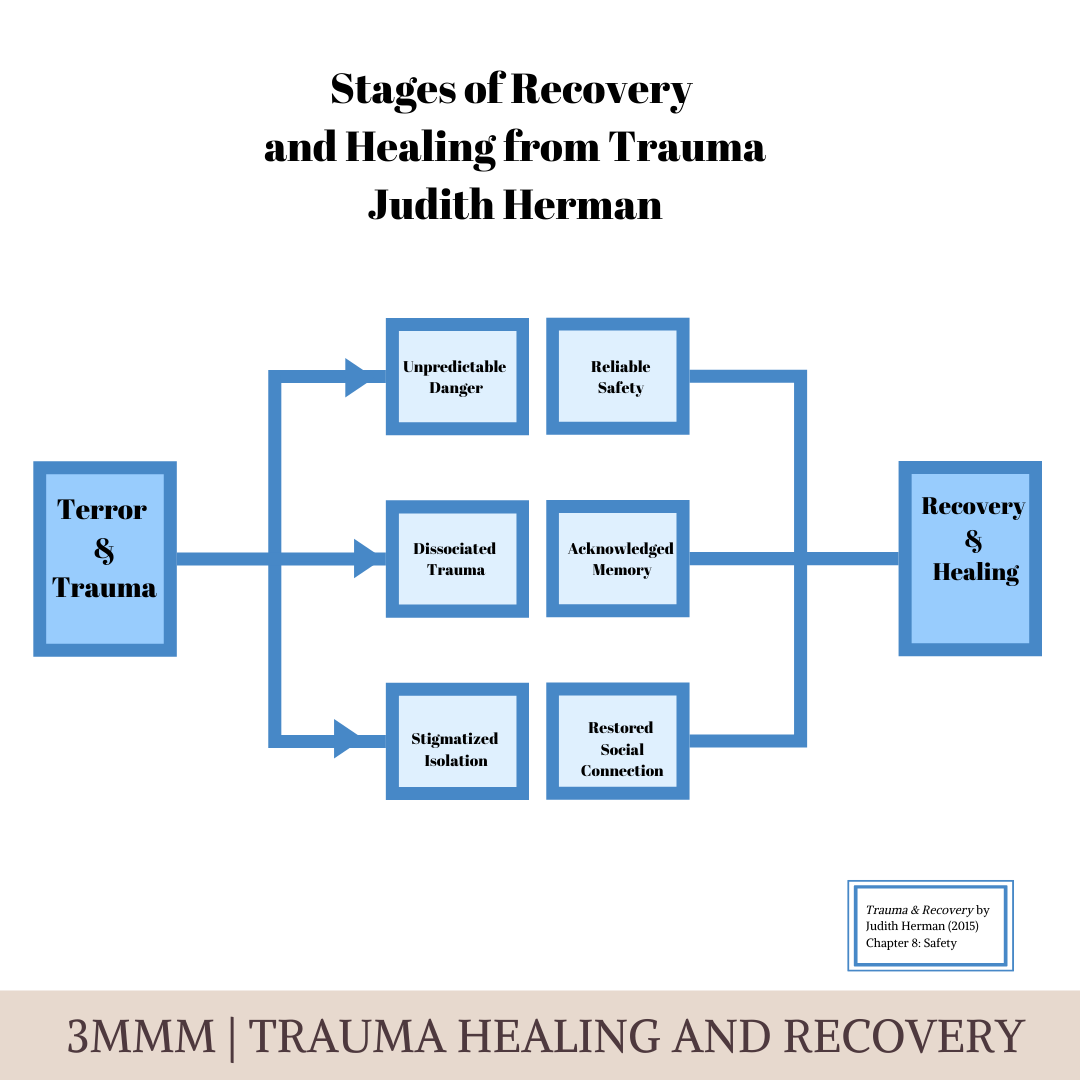
He has not had a drink in nearly 3 years, but the spells of temper persist and happen 3 to five times a year. They leave Frank sensation much more isolated from others and pushed away from those who enjoy him. He reports that he can not view specific television shows that depict fierce anger; he needs to quit viewing when such scenes take place.
Getting Ready for An Initial EMDR Session
Psychiatric and neurological examinations do not disclose a reason for Frank's temper strikes. Other than these signs and symptoms, Frank has progressed well in his abstaining from alcohol. He goes to a support group frequently, has actually gotten buddies who are additionally sober, and has actually integrated with his family members of origin. His marital relationship is a lot more secure, although the episodes of craze limit his other half's determination to commit totally to the relationship.
Today, when feeling caught, defenseless, or overloaded, Frank has sources for dealing and does not permit his anger to disrupt his marital relationship or various other partnerships. Although stress activates an individual's physical and emotional resources to execute a lot more efficiently in combat, responses to the stress and anxiety might linger long after the actual danger has finished.
With combat professionals, this converts to the number, strength, and duration of risk variables; the social assistance of peers in the professionals' unit; the psychological and cognitive strength of the service participants; and the quality of army management. CSR can differ from workable and moderate to debilitating and severe. Typical, less severe signs and symptoms of CSR consist of stress, hypervigilance, sleep troubles, rage, and difficulty concentrating.
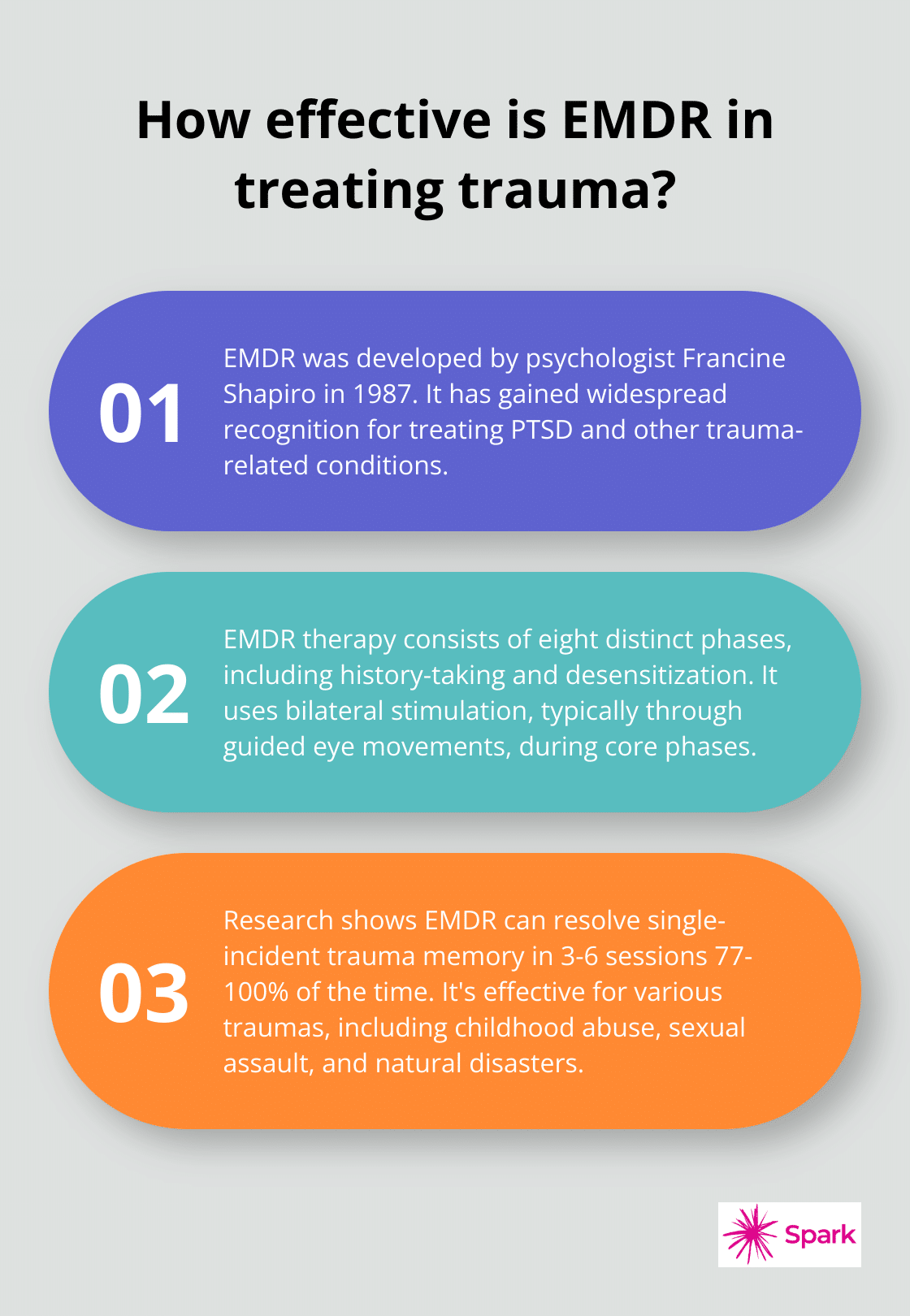
He makes the point that the "mutual connection, count on, and love" (p. 587) that are so necessarily a part of a battle system are various from relationships with family participants and associates in a civilian office. This makes complex the change to civilian life.
Coverage with Cost Information for Eye Movement Desensitization and Reprocessing in Calgary, AB
DSM-5 Diagnostic Criteria for ASD. Exposure to real or endangered death, severe injury, or sexual infraction in one (or more) of the following means: Directly experiencing the stressful occasion(s). The primary presentation of a private with an intense anxiety reaction is often that of a person who appears overwhelmed by the traumatic experience.
She or he may need to describe, in repeated information, what took place, or might appear stressed with trying to comprehend what took place in an effort to understand the experience. The customer is often hypervigilant and prevents circumstances that are suggestions of the injury. For example, someone who was in a serious cars and truck accident in heavy traffic can become anxious and stay clear of riding in a car or driving in web traffic for a finite time afterward.
The Distinction Of Eye Movement Desensitization and Reprocessing compared to Cognitive Therapy through Anxiety therapy
People with ASD signs and symptoms often look for guarantee from others that the occasion happened in the means they bear in mind, that they are not "going bananas" or "losing it," which they can not have actually protected against the occasion. The next instance image demonstrates the time-limited nature of ASD. It is essential to take into consideration the distinctions between ASD and PTSD when developing an analysis perception.
ASD settles 2 days to 4 weeks after an occasion, whereas PTSD continues beyond the 4-week duration. The medical diagnosis of ASD can alter to a medical diagnosis of PTSD if the problem is kept in mind within the initial 4 weeks after the event, however the signs continue previous 4 weeks. ASD likewise differs from PTSD in that the ASD medical diagnosis needs 9 out of 14 signs from five groups, consisting of invasion, negative mood, dissociation, evasion, and arousal.
Research studies show that dissociation at the time of trauma is a great forecaster of succeeding PTSD, so the incorporation of dissociative signs and symptoms makes it more probable that those who establish ASD will certainly later be detected with PTSD (Bryant & Harvey, 2000). Furthermore, ASD is a short-term problem, meaning that it is present in an individual's life for a fairly brief time and afterwards passes.

Numerous individuals with PTSD do not have a diagnosis or recall a background of intense tension signs prior to looking for therapy for or receiving a medical diagnosis of PTSD. Two months back, Sheila, a 55-year-old wife, experienced a tornado in her home town. In the previous year, she had attended to a long-time marijuana use trouble with the aid of a therapy program and had actually been abstinent for about 6 months.
Learning About Eye Movement Desensitization and Reprocessing and ART
She regarded it as a mark of personal maturity; it improved her relationship with her other half, and their company had grown as an outcome of her abstinence. During the twister, a worker reported that Sheila had actually become very agitated and had grabbed her aide to drag him under a big table for cover.
Adhering to the storm, Sheila might not bear in mind particular details of her actions during the event. Moreover, Sheila said that after the tornado, she really felt numb, as if she was floating out of her body and could see herself from the outside. She specified that absolutely nothing really felt real and it was all like a dream.
The signs gradually reduced in intensity yet still interrupted her life. Sheila reported experiencing disjointed or inapplicable images and desires of the storm that made no genuine sense to her. She was reluctant to go back to the building where she had been throughout the tornado, in spite of having preserved a service at this place for 15 years.

Navigation
Latest Posts
Why Teens Benefit from Specialized Treatment
Interpersonal Difficulties Rooted in Inherited Relational Models
Why Culturally Sensitive Practice Honors Individual Backgrounds